Herb Catnip Seeds
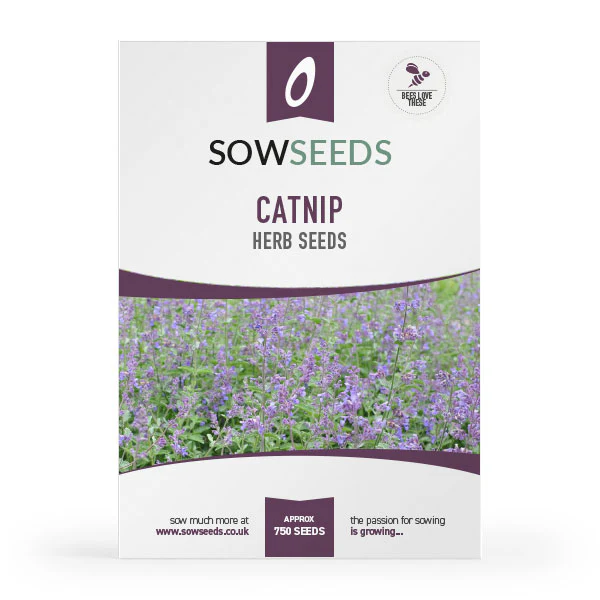
Catnip (Nepeta caparia), also known as Catmint is a hardy perennial herb, Lemon-scented, it makes a most refreshing tisane or tea which was drunk far more before tea arrived from China.It grows to a height of 3 to 4 feet and has featherlike, light green foliage and small clusters of lavender flowers that grow on spikes.
A member of the mint family, catnip is also used in food and herbal remedies. For example, tea made from the leaves and flowers of Nepeta cataria is said to relieve coughs. The oil extracted from catnip plants is even used in natural mosquito repellents. And of course, cats LOVE Catnip....they love to roll around in the foliage!
If you don't want this perennial plant to spread in your garden, it is best to plant in containers. Catnip can easily re-seed and take over a small garden plot.
Catnip also has many other benefits in the garden:
- Attracts pollinating insects
- Deters rats, aphids and ants
Recommended by the RHS to be an excellent attractant and nectar source for bees and other beneficial insects.
 
 
Herb Catnip Seed Information
| Seed Quantity: | Approx 750 seeds per pack. |
| Site: |
Likes a sunny position or light shade.
Prefers well drained but moist, light soil. |
| When to Sow: |
January-April indoors or outdoors April-June
|
| How to Sow: |
Sow indoors, January-April, to flower the same year, 0.5cm (¼") deep, in a tray of compost. A temperature of 15-20°C (60-68°F) is ideal. Keep moist. Seedlings usually appear in 14-21 days. Transplant them 5cm (2") apart, to other trays when large enough to handle. Gradually accustom young plants to outside conditions (avoid frosts), before planting out into well-drained soil, May-June, 30cm (1') apart, when frosts are over.
Or, sow outdoors, April-June, to flower the following year, in a seed bed, 0.5cm (¼") deep, into finely-prepared, well-drained soil, which has already been watered. Thin seedlings to 5cm (2") apart, before planting out to flowering position in autumn, spacing 30cm (1') apart. Flowers: June-September.
|
| Care: |
Mulch lightly in spring and autumn.
If you cut back the plants once they have flowered you should get a second harvest. Cut the plants back in autumn. |
| Harvest: | The best time for picking catnip leaves is when the plants are flowering, around mid-summer.  |
When to Sow Herb Catnip Seeds
| Jan | Feb | Mar | Apr | May | Jun | Jul | Aug | Sep | Oct | Nov | Dec |
|---|---|---|---|---|---|---|---|---|---|---|---|

|
|
|
|
|
|
 |
|
|
|
|
|
More Images


Herb Catnip Seeds
Catnip (Nepeta caparia), also known as Catmint is a hardy perennial herb, Lemon-scented, it makes a most refreshing tisane or tea which was drunk far more before tea arrived from China.It grows to a height of 3 to 4 feet and has featherlike, light green foliage and small clusters of lavender flowers that grow on spikes.
A member of the mint family, catnip is also used in food and herbal remedies. For example, tea made from the leaves and flowers of Nepeta cataria is said to relieve coughs. The oil extracted from catnip plants is even used in natural mosquito repellents. And of course, cats LOVE Catnip....they love to roll around in the foliage!
If you don't want this perennial plant to spread in your garden, it is best to plant in containers. Catnip can easily re-seed and take over a small garden plot.
Catnip also has many other benefits in the garden:
- Attracts pollinating insects
- Deters rats, aphids and ants
Recommended by the RHS to be an excellent attractant and nectar source for bees and other beneficial insects.
 
 
Herb Catnip Seed Information
| Seed Quantity: | Approx 750 seeds per pack. |
| Site: |
Likes a sunny position or light shade.
Prefers well drained but moist, light soil. |
| When to Sow: |
January-April indoors or outdoors April-June
|
| How to Sow: |
Sow indoors, January-April, to flower the same year, 0.5cm (¼") deep, in a tray of compost. A temperature of 15-20°C (60-68°F) is ideal. Keep moist. Seedlings usually appear in 14-21 days. Transplant them 5cm (2") apart, to other trays when large enough to handle. Gradually accustom young plants to outside conditions (avoid frosts), before planting out into well-drained soil, May-June, 30cm (1') apart, when frosts are over.
Or, sow outdoors, April-June, to flower the following year, in a seed bed, 0.5cm (¼") deep, into finely-prepared, well-drained soil, which has already been watered. Thin seedlings to 5cm (2") apart, before planting out to flowering position in autumn, spacing 30cm (1') apart. Flowers: June-September.
|
| Care: |
Mulch lightly in spring and autumn.
If you cut back the plants once they have flowered you should get a second harvest. Cut the plants back in autumn. |
| Harvest: | The best time for picking catnip leaves is when the plants are flowering, around mid-summer.  |
When to Sow Herb Catnip Seeds
| Jan | Feb | Mar | Apr | May | Jun | Jul | Aug | Sep | Oct | Nov | Dec |
|---|---|---|---|---|---|---|---|---|---|---|---|
|
|
|
|
|
|
|
|
|
|
|
|
|
Product Information
Product Information
Shipping & Returns
Shipping & Returns
Description
Catnip (Nepeta caparia), also known as Catmint is a hardy perennial herb, Lemon-scented, it makes a most refreshing tisane or tea which was drunk far more before tea arrived from China.It grows to a height of 3 to 4 feet and has featherlike, light green foliage and small clusters of lavender flowers that grow on spikes.
A member of the mint family, catnip is also used in food and herbal remedies. For example, tea made from the leaves and flowers of Nepeta cataria is said to relieve coughs. The oil extracted from catnip plants is even used in natural mosquito repellents. And of course, cats LOVE Catnip....they love to roll around in the foliage!
If you don't want this perennial plant to spread in your garden, it is best to plant in containers. Catnip can easily re-seed and take over a small garden plot.
Catnip also has many other benefits in the garden:
- Attracts pollinating insects
- Deters rats, aphids and ants
Recommended by the RHS to be an excellent attractant and nectar source for bees and other beneficial insects.
 
 
Herb Catnip Seed Information
| Seed Quantity: | Approx 750 seeds per pack. |
| Site: |
Likes a sunny position or light shade.
Prefers well drained but moist, light soil. |
| When to Sow: |
January-April indoors or outdoors April-June
|
| How to Sow: |
Sow indoors, January-April, to flower the same year, 0.5cm (¼") deep, in a tray of compost. A temperature of 15-20°C (60-68°F) is ideal. Keep moist. Seedlings usually appear in 14-21 days. Transplant them 5cm (2") apart, to other trays when large enough to handle. Gradually accustom young plants to outside conditions (avoid frosts), before planting out into well-drained soil, May-June, 30cm (1') apart, when frosts are over.
Or, sow outdoors, April-June, to flower the following year, in a seed bed, 0.5cm (¼") deep, into finely-prepared, well-drained soil, which has already been watered. Thin seedlings to 5cm (2") apart, before planting out to flowering position in autumn, spacing 30cm (1') apart. Flowers: June-September.
|
| Care: |
Mulch lightly in spring and autumn.
If you cut back the plants once they have flowered you should get a second harvest. Cut the plants back in autumn. |
| Harvest: | The best time for picking catnip leaves is when the plants are flowering, around mid-summer.  |
When to Sow Herb Catnip Seeds
| Jan | Feb | Mar | Apr | May | Jun | Jul | Aug | Sep | Oct | Nov | Dec |
|---|---|---|---|---|---|---|---|---|---|---|---|
|
|
|
|
|
|
|
|
|
|
|
|
|